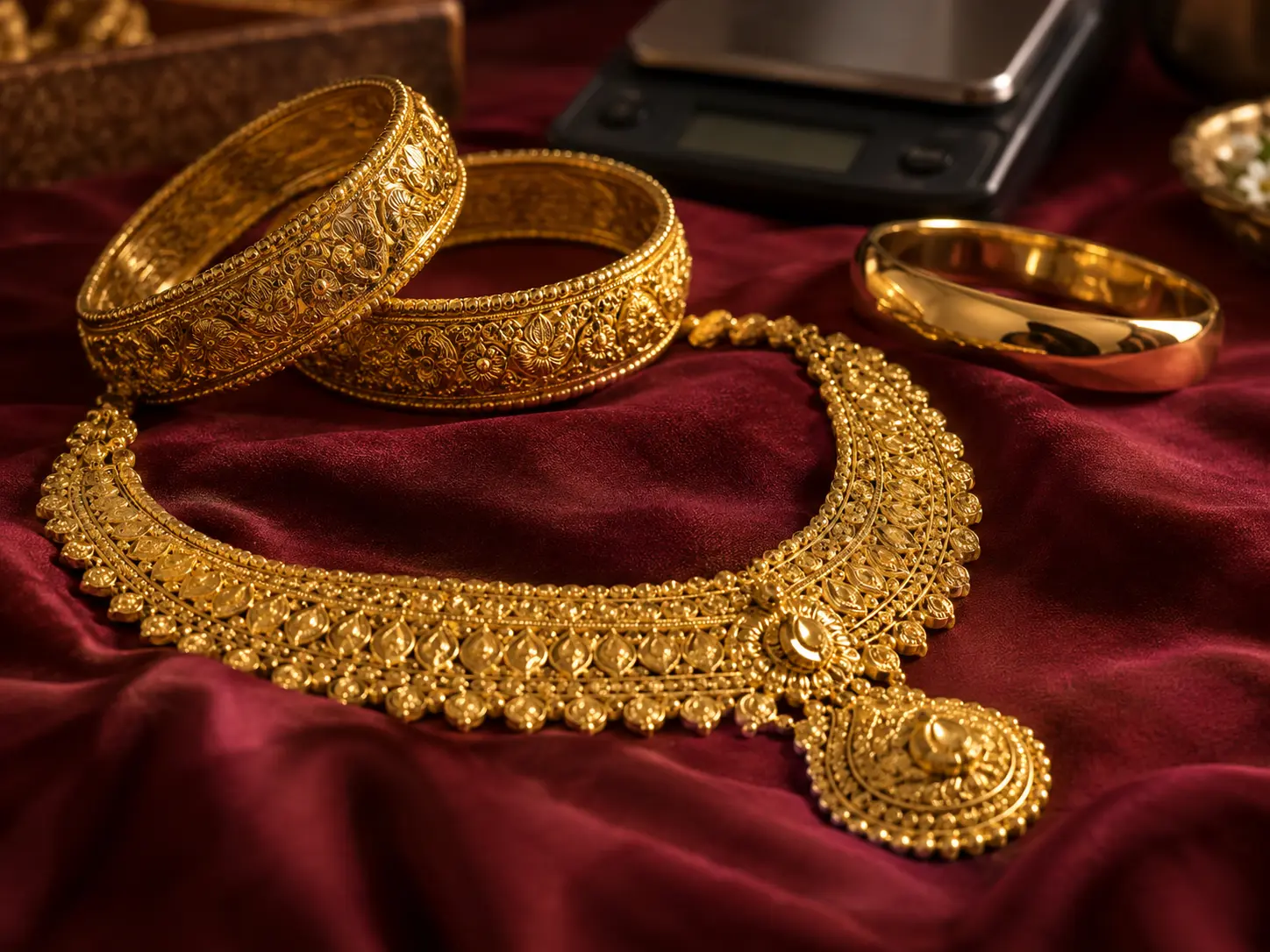
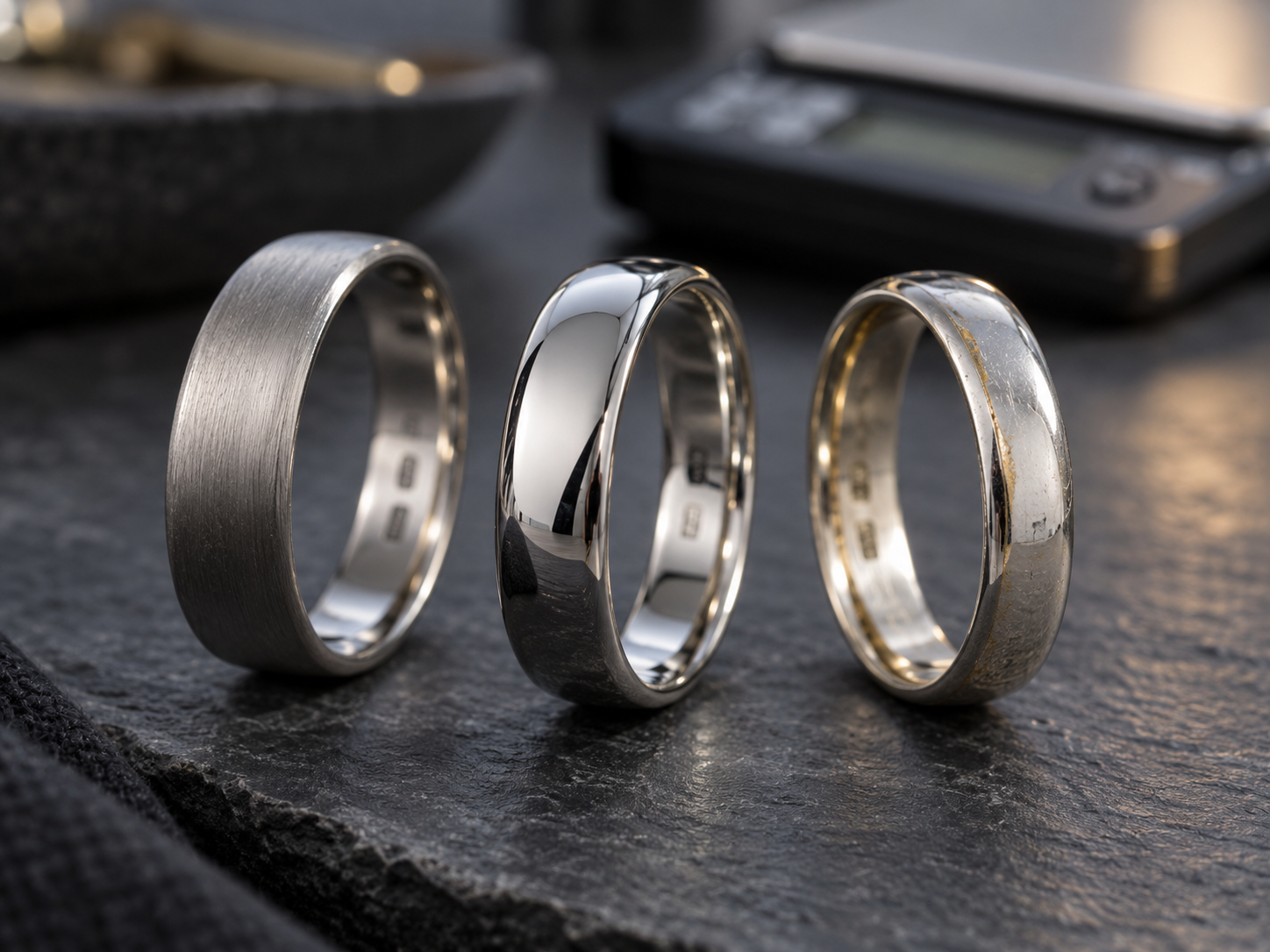
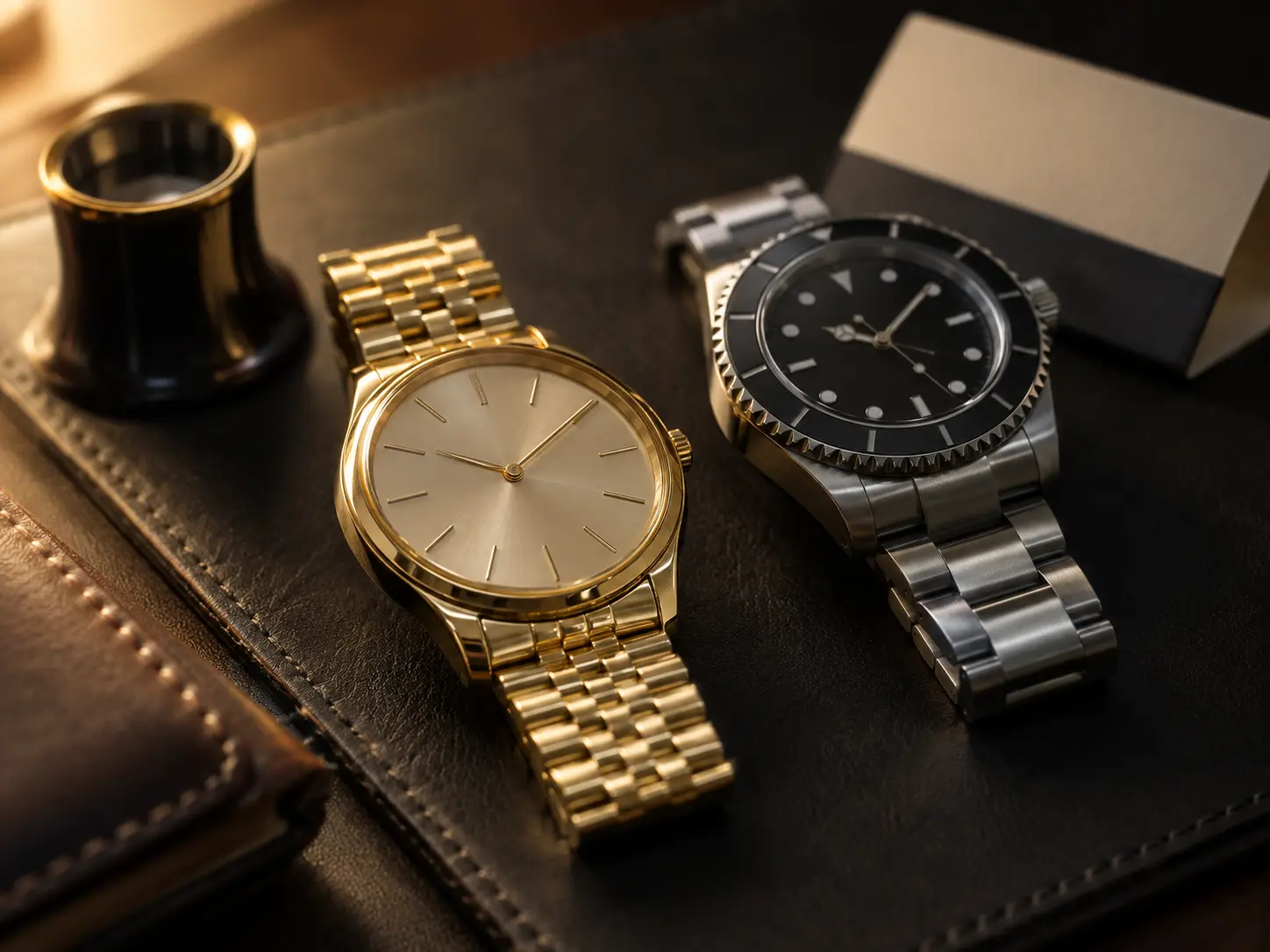
Let's cut right to the chase, you've got gold sitting around and you want to know who's going to give you the best deal. After 15+ years in this business, I can tell you that gold buyers typically offer the highest payouts, usually between 55-95% of current market value. Jewelers come in second at 40-75%, while pawn shops generally offer the least at 20-70% of your metal's worth.
But here's the thing, there's more to this story than just percentages. The "best" option for you depends on what you're selling, how quickly you need cash, and what matters most to you in the selling process.
The Gold Buyer Advantage: Why We Usually Pay More
When you walk into a specialized precious metals buyer, you're dealing with people who live and breathe gold, silver, and platinum every single day. We're not trying to juggle electronics, musical instruments, and jewelry all at once, precious metals are our entire world.
Here's what that means for your wallet: our entire business model revolves around buying metals at fair market rates and moving them quickly. We don't have the overhead of maintaining a showroom full of random items or training staff on everything from guitars to gaming consoles.
When you bring in that tangled mess of gold chains or broken rings you've been meaning to deal with, we see dollar signs, not headaches. Those pieces that look worthless to you? They're pure profit potential to us because we're sending them straight to refineries based on weight and purity, not trying to make them look pretty for retail customers.
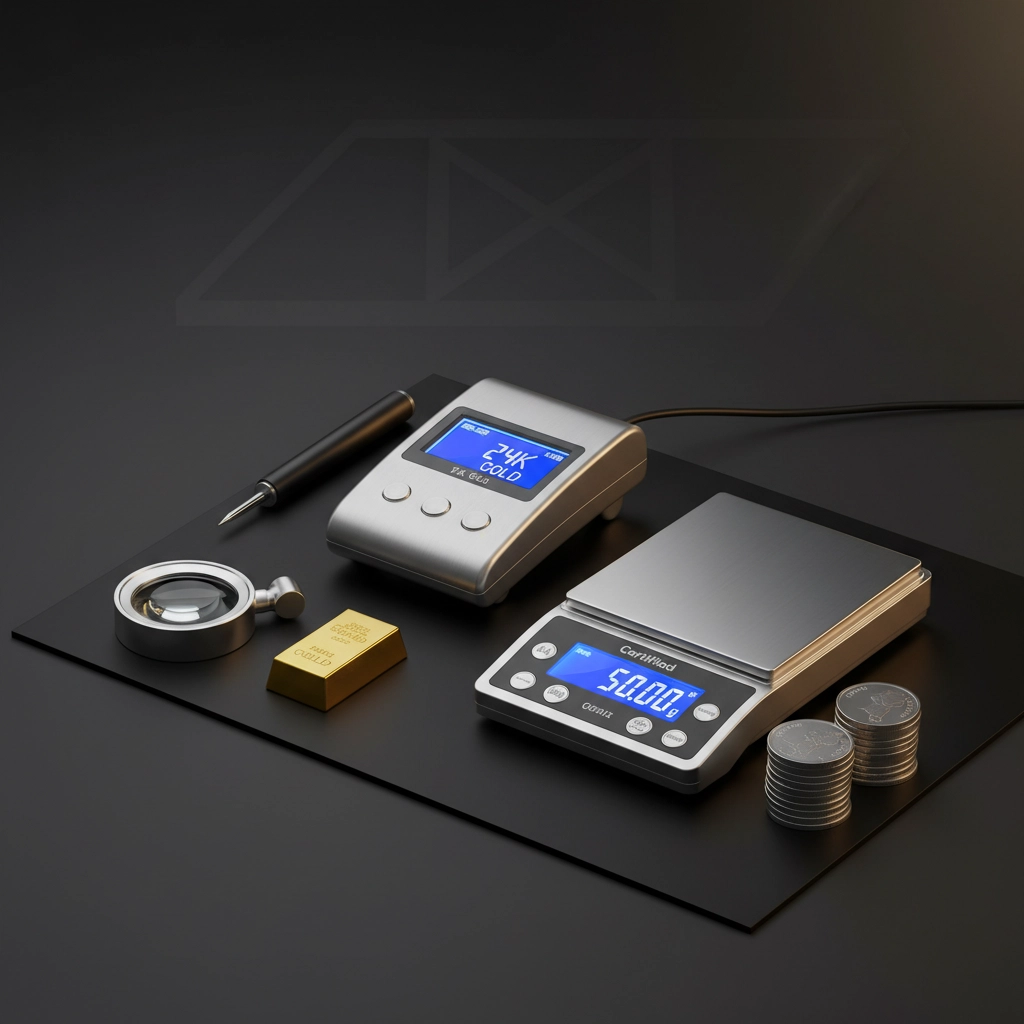
The process is refreshingly transparent too. We test your gold right in front of you, show you the karat readings, weigh everything on certified scales, and calculate your payout based on that day's spot prices. No mysterious back-room evaluations or vague "condition assessments."
Jewelers: The Middle Ground Option
Jewelers can be a solid choice, especially if you've got pieces that are more than just scrap metal. They understand jewelry construction, can spot quality craftsmanship, and might pay premium prices for pieces they can resell as finished jewelry.
The catch? They're running a retail business, which means they need to buy low enough to mark up and still compete with other jewelry stores. They're also limited by their customer base, a small local jeweler might not have the cash flow to make big purchases, and they're selective about what styles will actually sell to their customers.
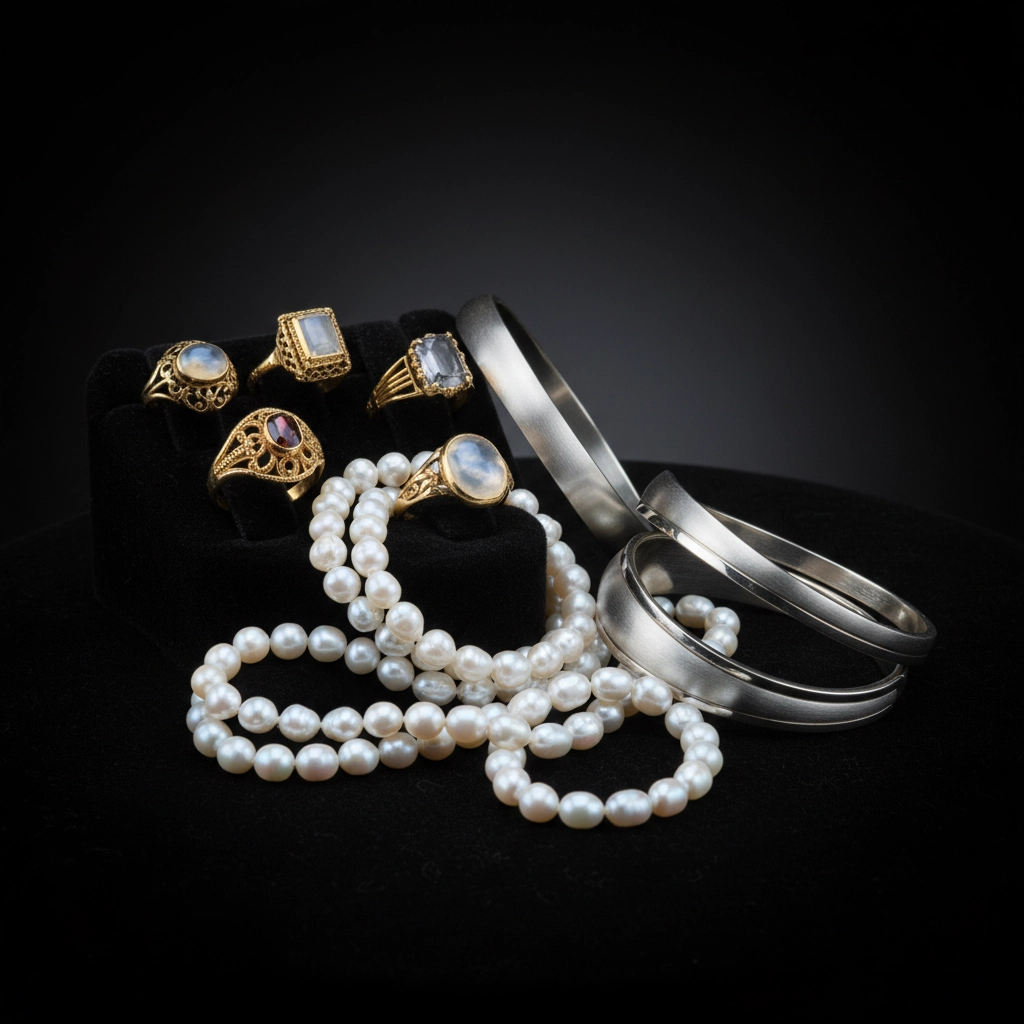
If you've got modern, trendy pieces or recognizable designer jewelry, a reputable jeweler might give you a competitive offer. But if you're dealing with outdated styles or damaged pieces, they'll often pass entirely or lowball you because they can't easily move the inventory.
One thing I'll give jewelers credit for, the good ones have trained eyes and can spot valuable pieces that might get overlooked elsewhere. If you suspect your grandmother's ring might be worth more than its melt value, getting a jeweler's opinion could be worthwhile.
Pawn Shops: Quick Cash, Lower Payouts
Let's be honest about pawn shops, they serve a purpose, but maximizing your precious metals' value usually isn't it. Pawn shops are designed for quick, convenient transactions, often with people who need cash immediately and might want to buy their items back later.
The pawn shop model works against you in a few key ways. First, their staff typically isn't specialized in precious metals evaluation. They might have basic testing equipment, but they're not precious metals experts. Second, they price everything conservatively because they're dealing with storage costs and uncertain resale markets across dozens of product categories.

That said, pawn shops do offer something we can't, the option to get your items back. If you pawn rather than sell, you can reclaim your gold by paying back the loan plus interest. This might make sense if you're in a temporary cash crunch but don't want to permanently part with family heirlooms.
The wide range in pawn shop payouts (20-70%) reflects the inconsistency in this market. Some pawn shops have knowledgeable staff and fair practices, while others… well, let's just say buyer beware.
The Numbers Don't Lie: Comparison Breakdown
| Factor | Gold Buyers | Jewelers | Pawn Shops |
|---|---|---|---|
| Typical Payout | 55-95% of value | 40-75% of value | 20-70% of value |
| Staff Expertise | Precious metals specialists | Jewelry focused | Generalists |
| Evaluation Method | Weight + purity + market rates | Resale potential + metal value | Conservative estimates |
| Best For | Scrap gold, broken jewelry, maximum value | Stylish pieces, designer items | Emergency cash, temporary loans |
| Speed | Usually same-day | Varies | Immediate |
| Transparency | High (testing done in front of you) | Moderate | Varies widely |
When Each Option Makes Sense
Choose a gold buyer when:
- You want top dollar for your metals
- You're selling scrap gold, broken chains, or outdated jewelry
- You value transparent, straightforward transactions
- You're not in a rush and can shop around
- You have significant quantities to sell
Consider a jeweler if:
- Your pieces are stylish, modern, or designer brands
- You suspect your jewelry has value beyond its metal content
- You prefer working with established local businesses
- You're selling complete, wearable pieces
Go with a pawn shop only if:
- You need cash immediately: like today
- You might want to buy your items back later
- You're comfortable with potentially lower payouts
- Convenience matters more than maximizing value
Red Flags to Watch For (No Matter Where You Go)
Having been in this business for over 15 years, I've seen all the tricks. Here are some warning signs that should make you walk away, regardless of whether you're at a gold buyer, jeweler, or pawn shop:
- Refusing to test metals in front of you
- Not explaining how they arrived at their offer
- Pressuring you to decide immediately
- Offering prices that seem too good to be true
- Not providing proper documentation for your sale
- Unwilling to answer questions about their process
Making Your Decision
Look, I'm obviously biased: I think specialized precious metals buyers offer the best value for most situations. But I've built a reputation on honesty, and that means acknowledging when other options might work better for specific circumstances.
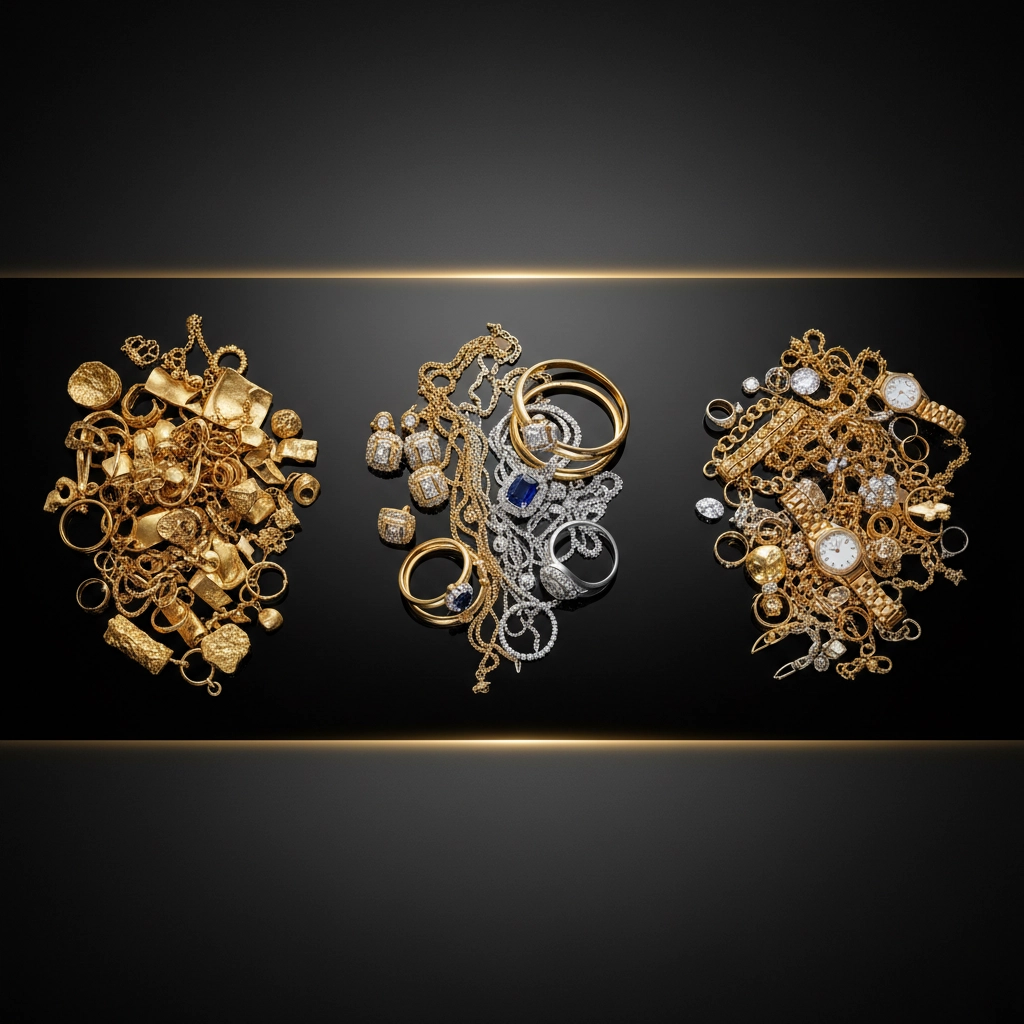
If you're sitting on a jewelry box full of old gold that you'll never wear again, a precious metals buyer is almost certainly your best bet. If you've got a stunning vintage Cartier watch, maybe start with a high-end jeweler. If you need $200 by tomorrow and might want your wedding ring back next month, a pawn shop loan could be the right call.
The key is understanding what you're selling and what you prioritize. Don't let anyone rush you into a decision, and don't be afraid to get multiple quotes. The precious metals market moves daily, but it's not so volatile that you need to panic-sell.
Your Next Steps
Ready to turn that old gold into cash? Start by gathering everything you might want to sell: don't forget about dental gold, broken chains, single earrings, or outdated class rings. Get them all in one place so you can make efficient trips for evaluations.
Consider getting quotes from multiple places if you're dealing with valuable items. It takes a bit more time, but the difference in offers can be substantial. And remember, reputable buyers won't pressure you to decide on the spot.
The precious metals market has been strong, and there's never been a better time to convert unused gold into usable cash. Whether you choose a specialized buyer like us, a local jeweler, or even a pawn shop, the important thing is that you're making an informed decision that works for your situation.
What are you waiting for? That drawer full of old gold isn't earning you any interest just sitting there.