Look, I've been in this business for over 15 years, and I can tell you right now – 2025 is absolutely the time to be thinking about selling your gold and silver. With prices hitting levels we haven't seen in decades, your old jewelry box might be sitting on a goldmine (pun totally intended).
But here's the thing: not all buyers are created equal. After seeing thousands of transactions and helping folks get the most out of their precious metals, I've learned that knowing where to look and how to negotiate can literally mean the difference between getting a fair deal and leaving hundreds – sometimes thousands – of dollars on the table.
Why Now Is Your Moment
Trust me, I've watched market cycles come and go, and what we're seeing right now is special. Gold has been climbing steadily, and silver's having one of its best runs in years. You'd be amazed how many people walk into our shop thinking their grandmother's jewelry is worth maybe a couple hundred bucks, only to discover it's worth ten times that amount.
Here's what's driving these prices: economic uncertainty, inflation concerns, and increased demand from both investors and industrial users. Like, the perfect storm for anyone looking to sell.
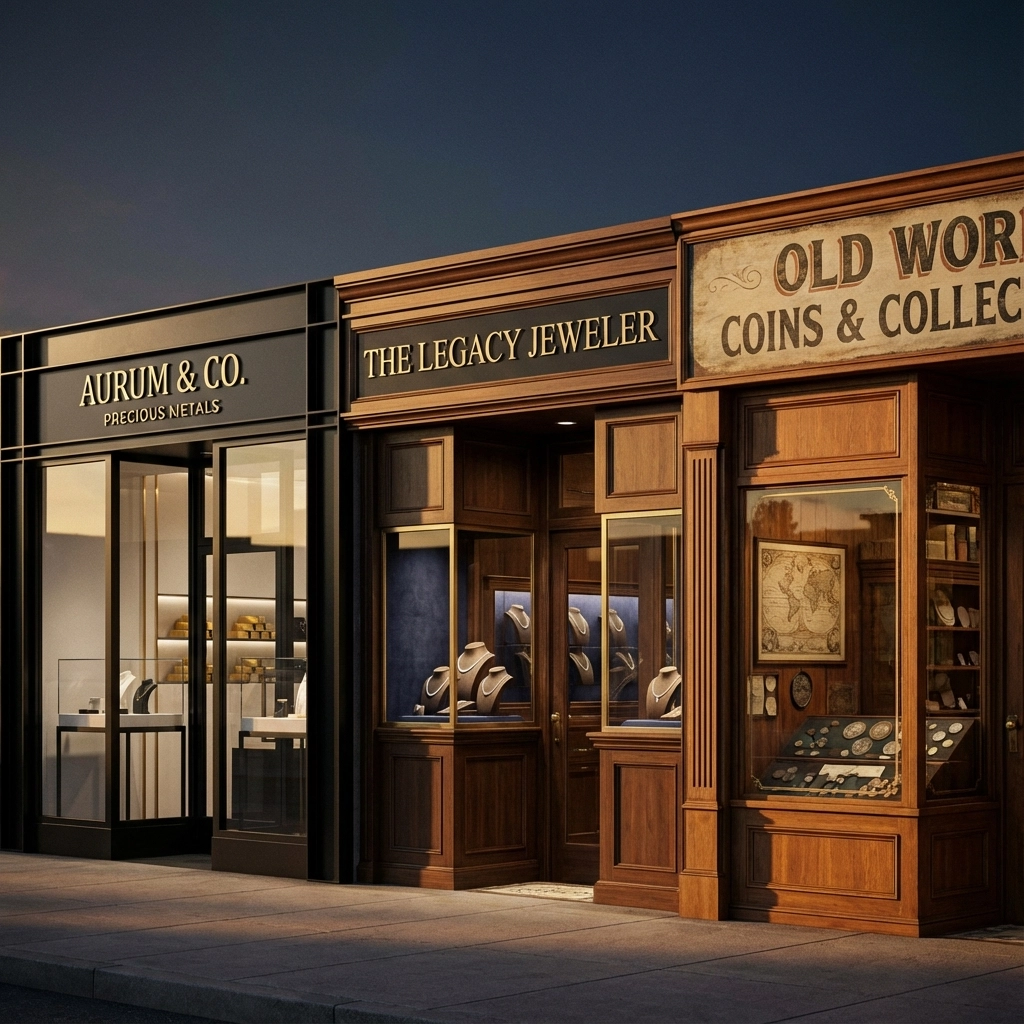
Types of Buyers You'll Find Near You
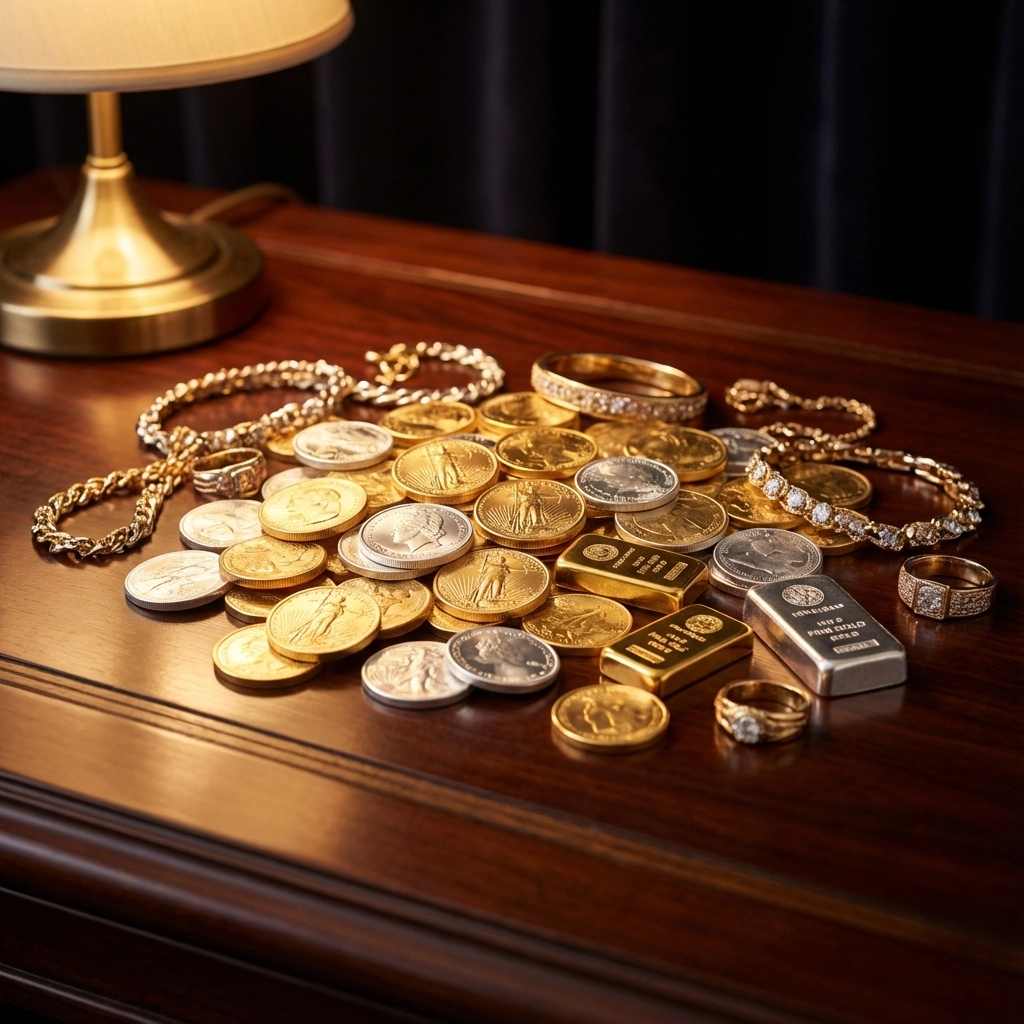
Specialty Precious Metals Dealers – These are your best bet, honestly. We focus exclusively on buying and selling gold, silver, platinum, and palladium. After 15+ years doing this, I can tell you that specialists typically offer the most competitive prices because we understand the market inside and out. We've got the advanced testing equipment, certified professionals, and – most importantly – we live and breathe this stuff.
Jewelry Stores – Many established jewelers buy precious metals alongside their retail operations. They can be good options, especially if they've been in your community for decades. Just make sure they actually know precious metals pricing, not just jewelry retail.
Coin Shops – If you've got coins or bullion, these folks often know their stuff. They're particularly good if you have collectible coins with numismatic value beyond the metal content.
Pawn Shops – Look, I'm not going to sugarcoat this. Pawn shops can be hit or miss. Some are fantastic and fair, others… well, let's just say they're not always looking out for your best interests. If you go this route, definitely get multiple quotes first.
How to Find the Best Local Buyers
Here's my step-by-step process for finding reputable buyers in your area:
Start with a Google search for "gold buyers near me" or "precious metals dealers [your city]." Don't just look at the ads – scroll through the organic results too. Companies that show up naturally in search results have usually been around long enough to build real credibility.
Check online reviews, but read between the lines. Anyone can get a few bad reviews (trust me, even we've had difficult customers), but look for patterns. Are people consistently mentioning fair prices, transparent processes, and professional service?
Ask friends and family. You'd be surprised how many people have sold precious metals but don't talk about it openly. A personal recommendation from someone you trust is worth its weight in… well, gold.
Getting the Best Deal: My Proven Strategy
After seeing thousands of transactions, here's exactly what you need to do to maximize your payout:
Get at least three quotes – always. I cannot stress this enough. Most reputable dealers offer free appraisals with no obligation to sell. That's standard practice, and if someone won't give you a free evaluation, that's a major red flag.
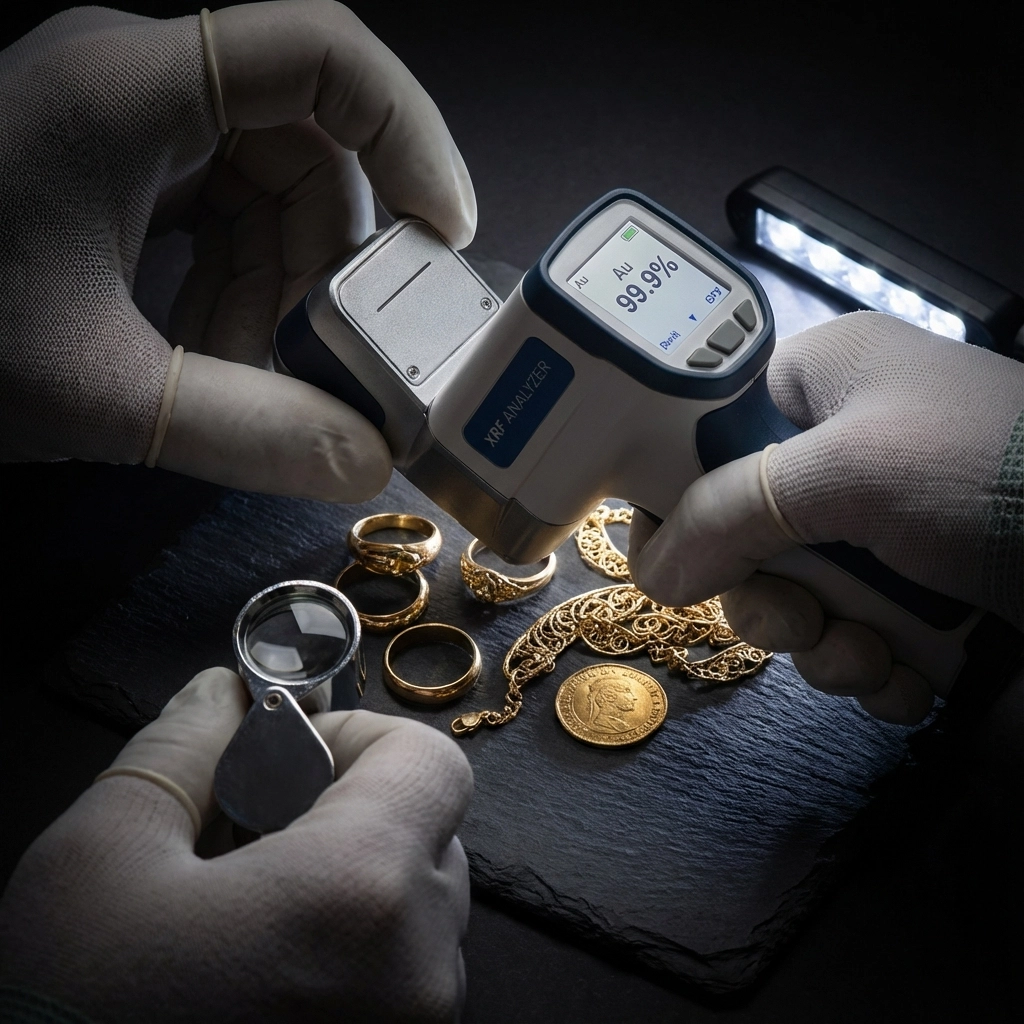
Understand the testing process. When you walk into our shop, we explain every step of our evaluation. We separate metals by purity, test everything with advanced equipment, and show you exactly how we calculate value based on current market rates. You should expect this level of transparency everywhere you go.
Ask for written offers. Seriously. Any legitimate buyer should be willing to put their offer in writing. This protects both of you and makes comparing offers much easier. Plus, some dealers (like us) will beat any competitive written offer you've received.
Don't feel pressured. Look, if someone's rushing you or making you feel like you have to decide right now, walk away. Good deals don't disappear in five minutes, and reputable buyers want you to feel confident in your decision.
Red Flags That Should Make You Run
I've seen some stuff over the years that honestly breaks my heart. Here are the warning signs that should send you straight to the door:
They won't show you their testing process. If someone disappears into a back room with your items and comes back with a number, that's not okay. Testing should happen in front of you, and they should explain what they're doing.
No clear pricing explanation. You should understand exactly how they calculated your offer. Weight times purity times current market rate minus their reasonable margin. It's not rocket science, and it shouldn't be a mystery.
Pressure tactics. "This offer expires in ten minutes!" "Gold prices are about to crash!" These are manipulation techniques, plain and simple. Market prices change gradually, not by the minute.
Lowball initial offers followed by "special deals." This is a classic manipulation tactic. They start ridiculously low, then "find extra money" to make you feel like you're getting a favor. Just… no.
Maximizing Your Specific Items
Here's something I've learned after 15+ years: different types of items might get better offers from different buyers.
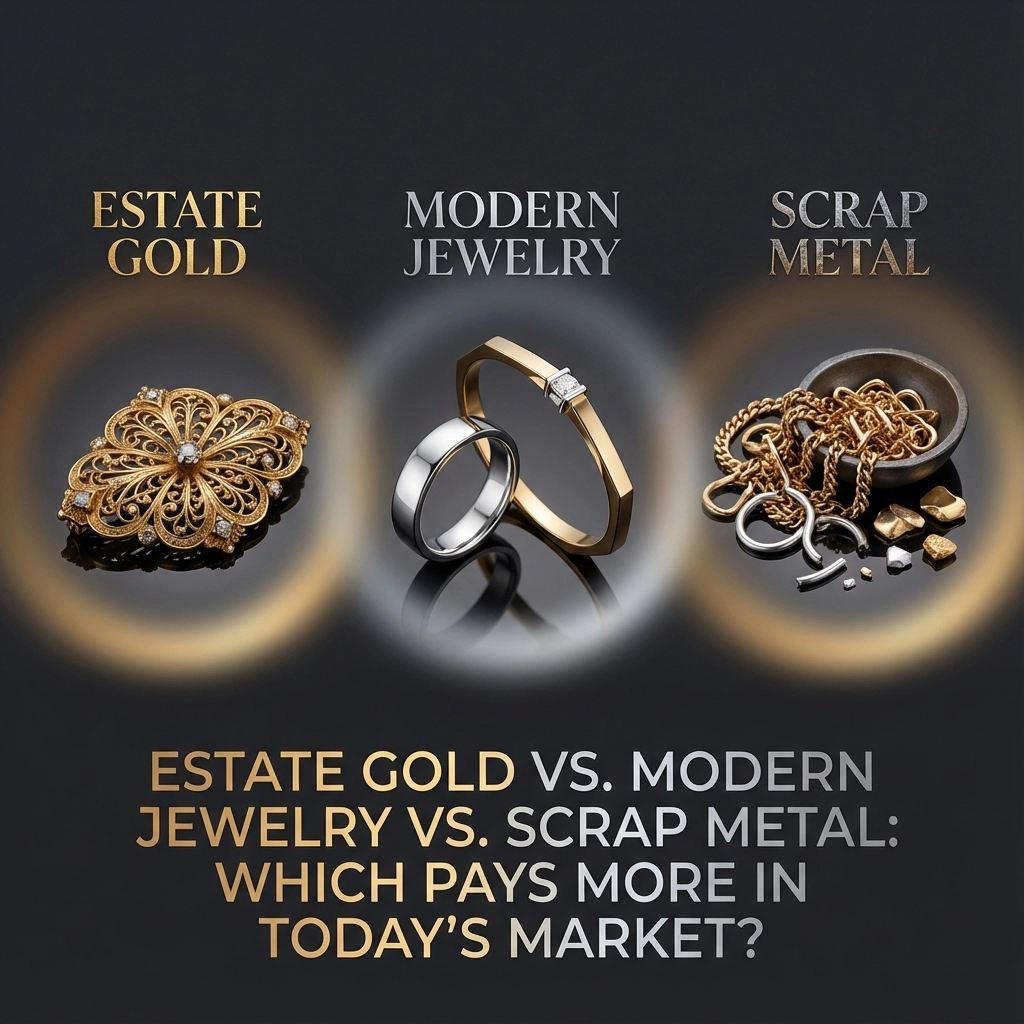
Jewelry – Look for buyers who understand both metal value and potential resale value. Some pieces might be worth more intact than melted down.
Coins – If you have collectible coins, definitely get them evaluated by someone who knows numismatics. The collector value might far exceed the metal value.
Bullion and bars – These are pretty straightforward. Most reputable precious metals dealers will give you competitive prices based on current spot rates.
Broken or damaged items – Don't let anyone tell you these aren't valuable. We buy plenty of broken chains, single earrings, and damaged pieces. The metal value is the same whether it's pretty or not.
Questions You Should Always Ask
When you walk into any buyer's location, here are the questions that'll separate the pros from the amateurs:
"What testing equipment do you use?" Professional operations use X-ray fluorescence analyzers or acid testing kits. They should be happy to show you.
"How do you calculate your offers?" They should explain their margin structure and how they arrive at their prices.
"Can I watch the testing process?" The answer should always be yes.
"Do you guarantee your offer for any period of time?" Reputable buyers usually hold offers for at least 24-48 hours.
"What forms of payment do you offer?" Cash, check, bank transfer – you should have options.
The Bottom Line
Look, selling precious metals doesn't have to be stressful or confusing. With gold and silver prices where they are right now, you're in a great position to get excellent value for items you might not even be using.
The key is doing your homework, getting multiple quotes, and working with buyers who treat you with respect and transparency. After 15+ years in this business, I can tell you that the best transactions happen when both parties feel good about the deal.
Don't let your precious metals sit in a drawer when they could be turned into cash you can actually use. Just make sure you're working with someone who values your business as much as your gold and silver.
Want to learn more about what makes a reputable precious metals buyer? Check out our guide on choosing the best gold buyer for more detailed information about the process.
Take your time, do your research, and remember – in today's market, you're holding something valuable. Make sure you get what it's worth.