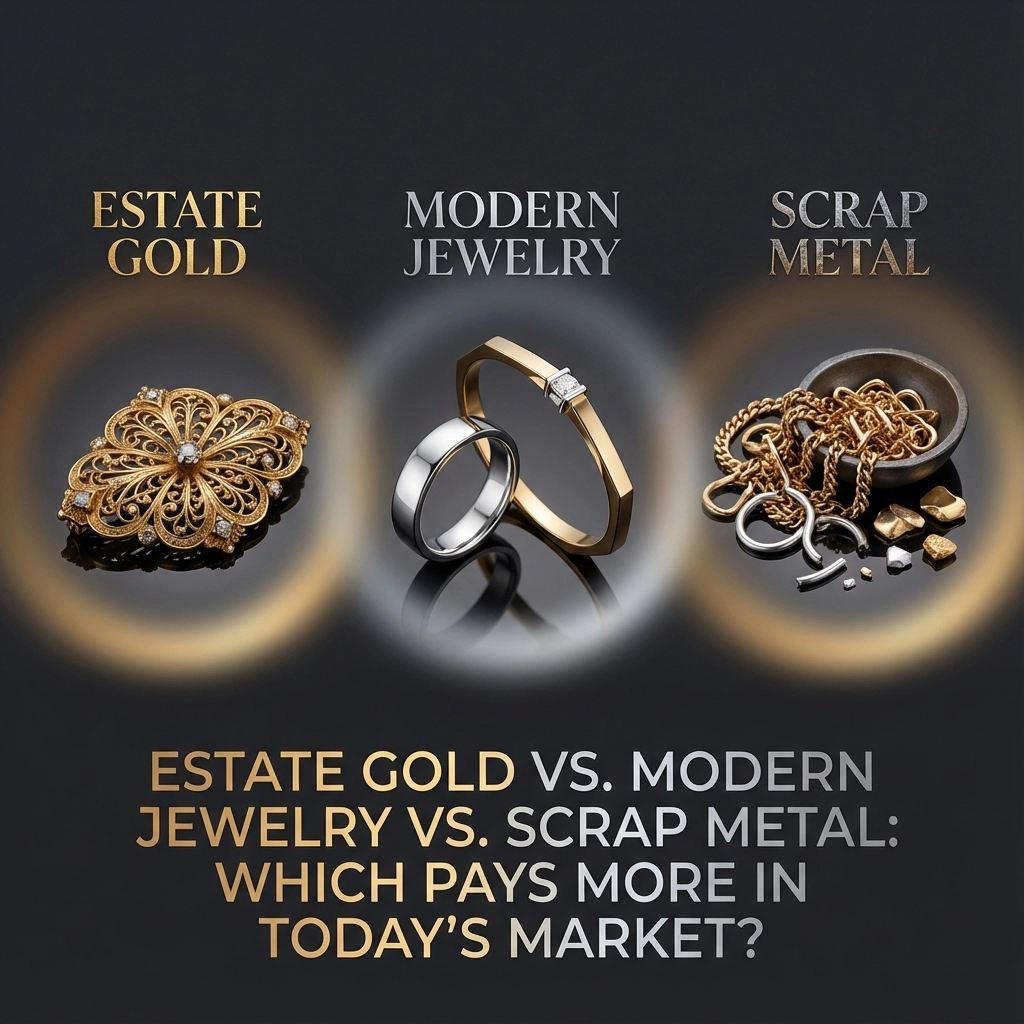
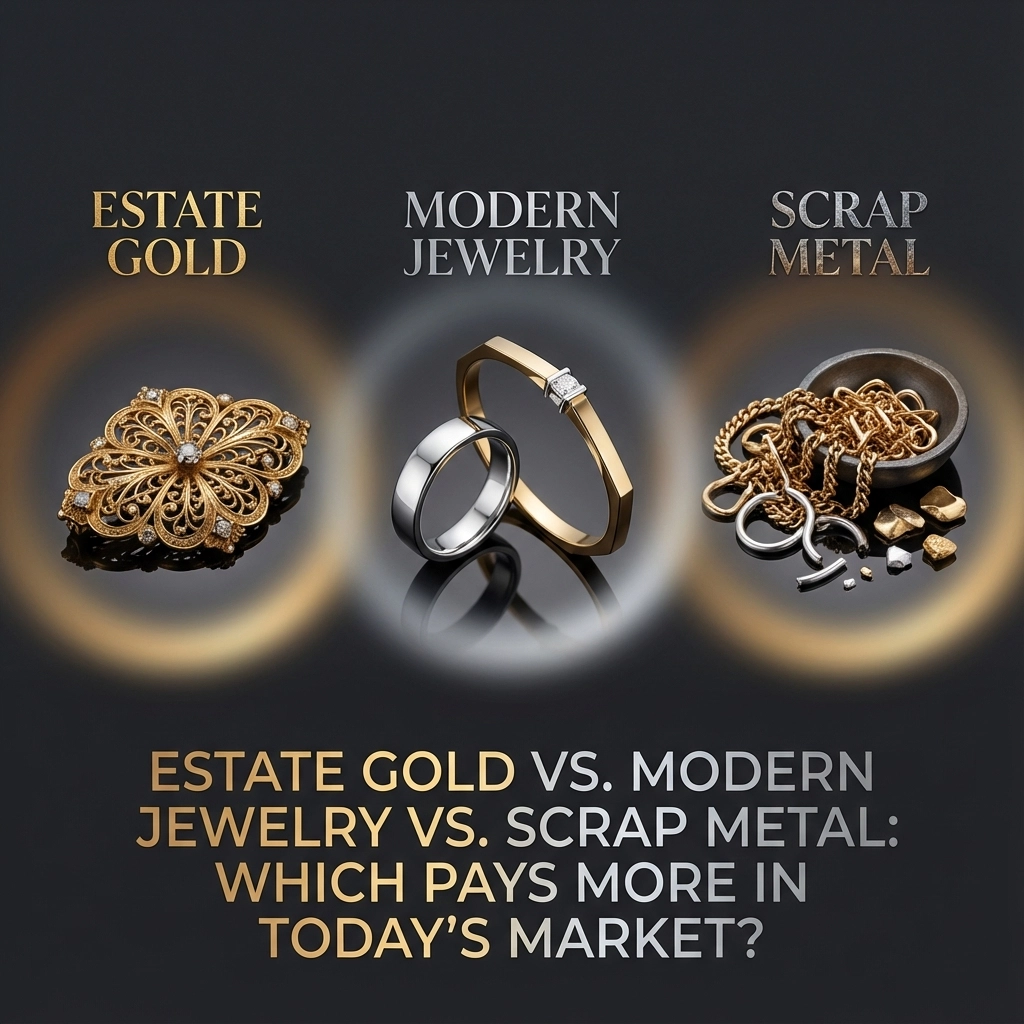
Remember that wild treasure hunt that had everyone in San Francisco buzzing back in May? An anonymous group buried a 22-pound chest worth over $10,000 somewhere in the city, and within just 11 hours, three lucky treasure hunters had found it. The chest was packed with gold nuggets, silver coins, and Bay Area memorabilia that made headlines across the region.
But here's the thing: while everyone was frantically searching Mount Sutro for buried treasure, most of us completely overlooked the real goldmine sitting right in our own homes.
The Real Treasure Hunt Happening Right Now
You don't need a cryptic riddle or a midnight adventure to strike gold. The truth is, there's probably more valuable treasure scattered around your house than what was buried in that famous San Francisco treasure chest. And unlike that one-time hunt, this treasure is yours for the taking, any time you want.
We've been buying gold and silver in the Bay Area for over 15 years, and honestly, we're still amazed by what people discover when they start looking around their homes with fresh eyes. That tarnished jewelry box in your closet? The coin collection gathering dust in the garage? Your grandmother's silverware set? These everyday items could be worth way more than you think.
Where to Start Your Home Treasure Hunt
Let's get real about where the good stuff usually hides. After helping thousands of Bay Area residents discover their hidden wealth, we've learned that treasure hunters often overlook the most obvious places.
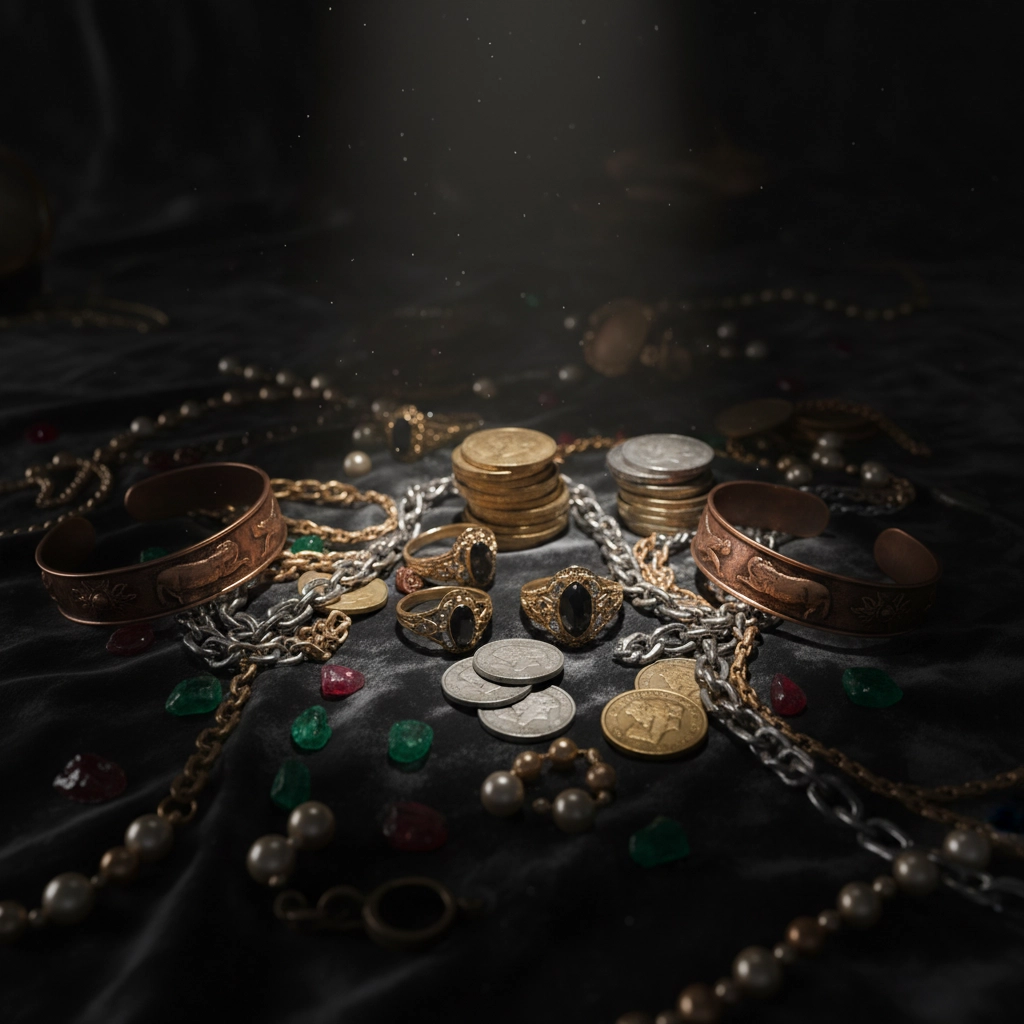
Start with the jewelry box. That old wedding ring you never wear, broken gold chains, single earrings missing their pair: they all have value. Gold is gold, whether it's shiny or tarnished, broken or whole. We've seen people walk in with a handful of "junk jewelry" and walk out with hundreds of dollars.
Check your drawers and cabinets. Silver items are everywhere if you know what to look for. Sterling silver picture frames, serving trays, candlesticks, and flatware all contain real silver. Even if pieces are bent, scratched, or have parts missing, the silver content still has value.
Don't forget about coins. Pre-1965 quarters, dimes, and half-dollars contain 90% silver. Got any old silver dollars lying around? Kennedy half-dollars from 1965-1970 are 40% silver. These aren't just collector's items: they're literal silver investments sitting in your change jar.
The Tech Connection You Might Not Know About
Here's something most people don't realize: the tech boom that's made the Bay Area famous has also driven up demand for precious metals in ways that directly benefit you. Silver is used in everything from smartphones to solar panels, and with AI and green energy exploding, industrial demand keeps pushing prices higher.
This means your old silver items aren't just valuable because of their weight in metal: they're riding the wave of technological progress happening right in our backyard.

Why Bay Area Residents Have More Hidden Treasure
Living in the Bay Area gives you a unique advantage in this treasure hunt. This region has been attracting wealth for generations, from the original Gold Rush to the tech boom. Families here often inherit items from different eras, creating amazing collections without even realizing it.
We regularly see clients who've lived in the same house for decades, inheriting pieces from relatives or accumulating items through years of prosperity. One client recently brought in a box of "old stuff" from their attic that included gold coins, sterling silver serving pieces, and vintage jewelry worth over $3,000.
The transparency we've built our reputation on over 15 years means we can tell you exactly what makes Bay Area homes special: diversity of items, quality pieces from different time periods, and frankly, a lot of people who've been too busy building tech companies to sort through their valuables.
What Makes Items Valuable (And What Doesn't)
Let's clear up some confusion about what actually has value. Our knowledgeable team has seen it all, so here's the straight truth:
Gold jewelry value depends on karat content. 10k, 14k, 18k, and 24k all have different values, but they all have value. Don't assume something isn't worth anything just because it's not 24k gold.
Sterling silver is marked "925." Look for this stamp on items. It means the piece is 92.5% pure silver. But even silver-plated items can be worth something if they're heavy enough.
Age doesn't always equal value. A brand new gold necklace might be worth more than an antique piece if the gold content is higher. We evaluate based on actual precious metal content, not just age or brand.
Condition matters less than you think. Broken chains, dented silver, tarnished items: we see value where others see junk. Our friendly service means we'll examine everything and explain exactly what has value and why.
The Real Numbers Behind Your Home's Treasure
Based on our 15+ years of experience, here's what the average Bay Area household typically finds:
- 2-5 pieces of gold jewelry worth $200-800 combined
- Sterling silver items totaling $150-400
- Old coins worth $50-200 (often much more if there are rare dates)
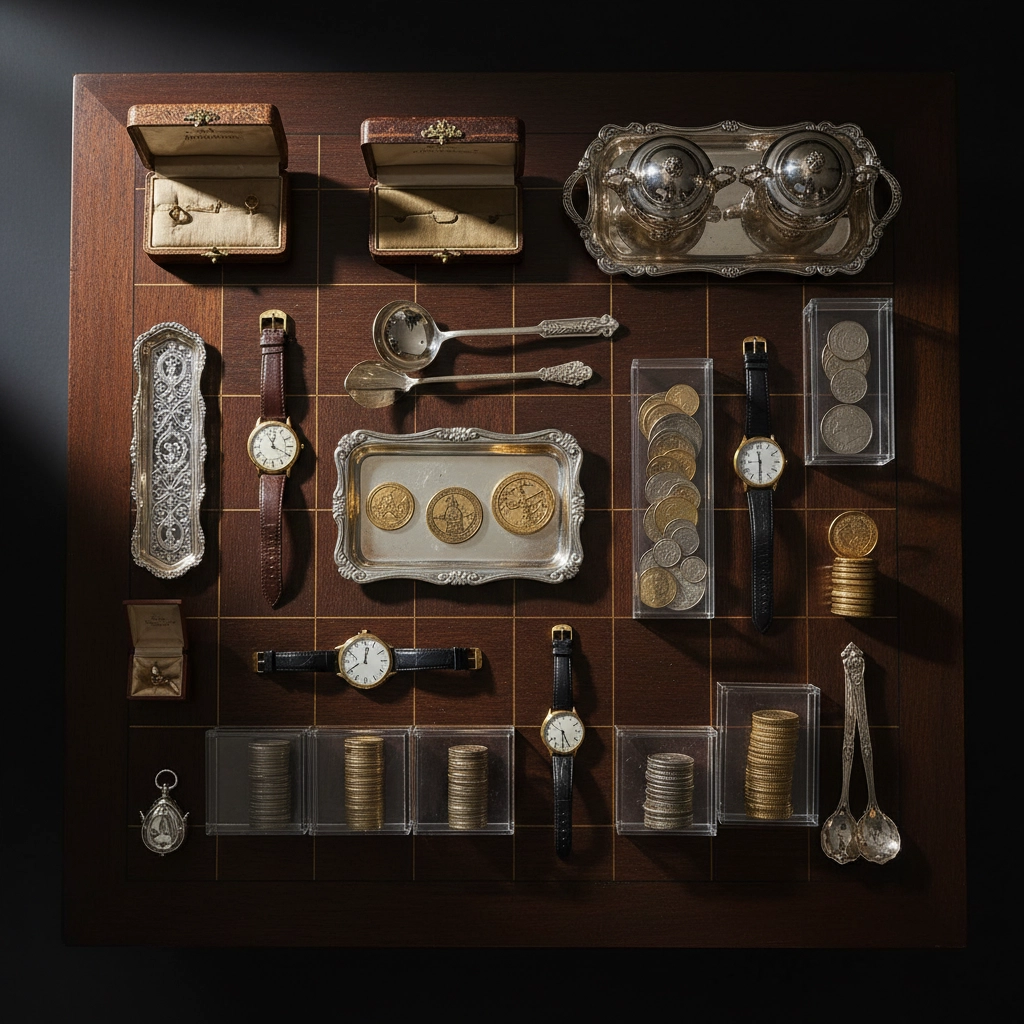
- Watches, cufflinks, and other small items adding another $100-300
That's potentially $500-1,700 sitting in drawers and closets. Not bad for an afternoon of treasure hunting in your own home.
Of course, we've seen much higher amounts too. One Palo Alto client found a collection worth over $12,000. A San Jose family discovered gold coins in an old safe that totaled $8,500. These aren't lottery-winner stories: they're regular people who took the time to look around their homes with purpose.
Why Now Is the Perfect Time to Cash In
Unlike that May treasure hunt that lasted only 11 hours, your home treasure hunt can happen whenever you want. But there are good reasons to do it sooner rather than later.
Gold prices have been climbing steadily, and with economic uncertainty, precious metals remain a safe investment. This means your items are likely worth more now than they were last year. Our high payouts reflect current market prices, not some outdated chart from the internet.
Plus, with the holidays coming up, many Bay Area residents are thinking about decluttering, renovating, or just organizing their homes. Why not turn that organizing session into a profitable treasure hunt?
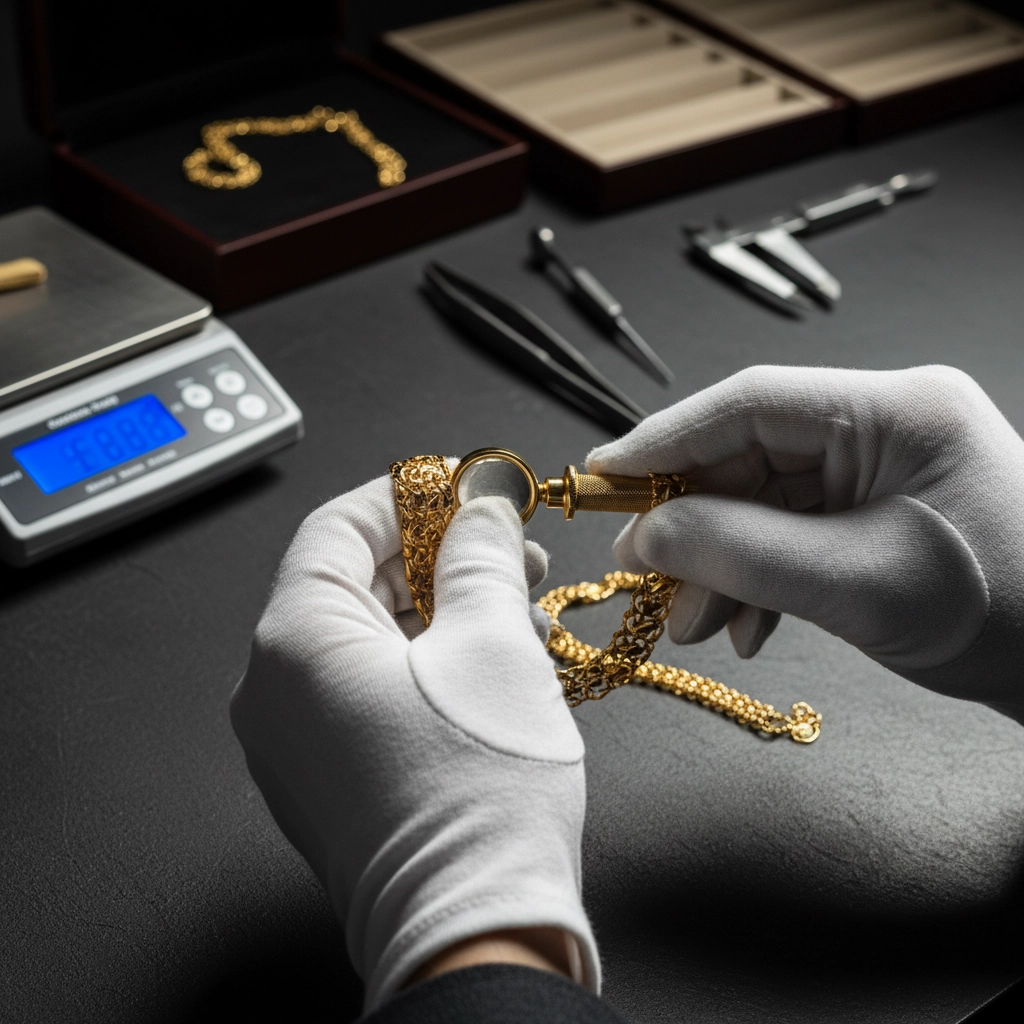
Making Your Treasure Hunt Official
Ready to see what you've got? Here's how to make the most of your home treasure hunt:
Gather everything in one place. Don't try to evaluate items one by one. Collect all your potentially valuable items and bring them in together. This gives us the full picture and often results in better overall value.
Don't clean or alter anything. We can evaluate items in any condition, and sometimes cleaning can actually reduce value for certain antique pieces.
Bring identification and proof of ownership. This protects everyone and ensures a smooth, transparent transaction.
Ask questions. Our knowledgeable team loves explaining why items have value and how we determine pricing. We've been doing this for over 15 years because we genuinely enjoy helping people discover the value in their possessions.
The Bottom Line
That San Francisco treasure hunt was exciting for the 11 hours it lasted. But your personal treasure hunt could be even more rewarding: and it's guaranteed to be more convenient than hiking around Mount Sutro in the dark.
The real Bay Area gold rush isn't happening in some mysterious location with cryptic clues. It's happening right in homes across the region, where everyday items contain real precious metals with real value.
We've built our business on honest, transparent transactions and friendly service because we believe everyone deserves to know what their treasures are actually worth. After 15+ years of helping Bay Area residents discover hidden wealth, we can confidently say this: you probably have more treasure than you think.
Ready to start your own treasure hunt? Check out our what we buy page to see the full range of items we evaluate, or contact us to learn more about turning your hidden treasure into cash.
The question isn't whether you have treasure in your home. The question is: how much treasure are you sitting on, and when are you going to find out?