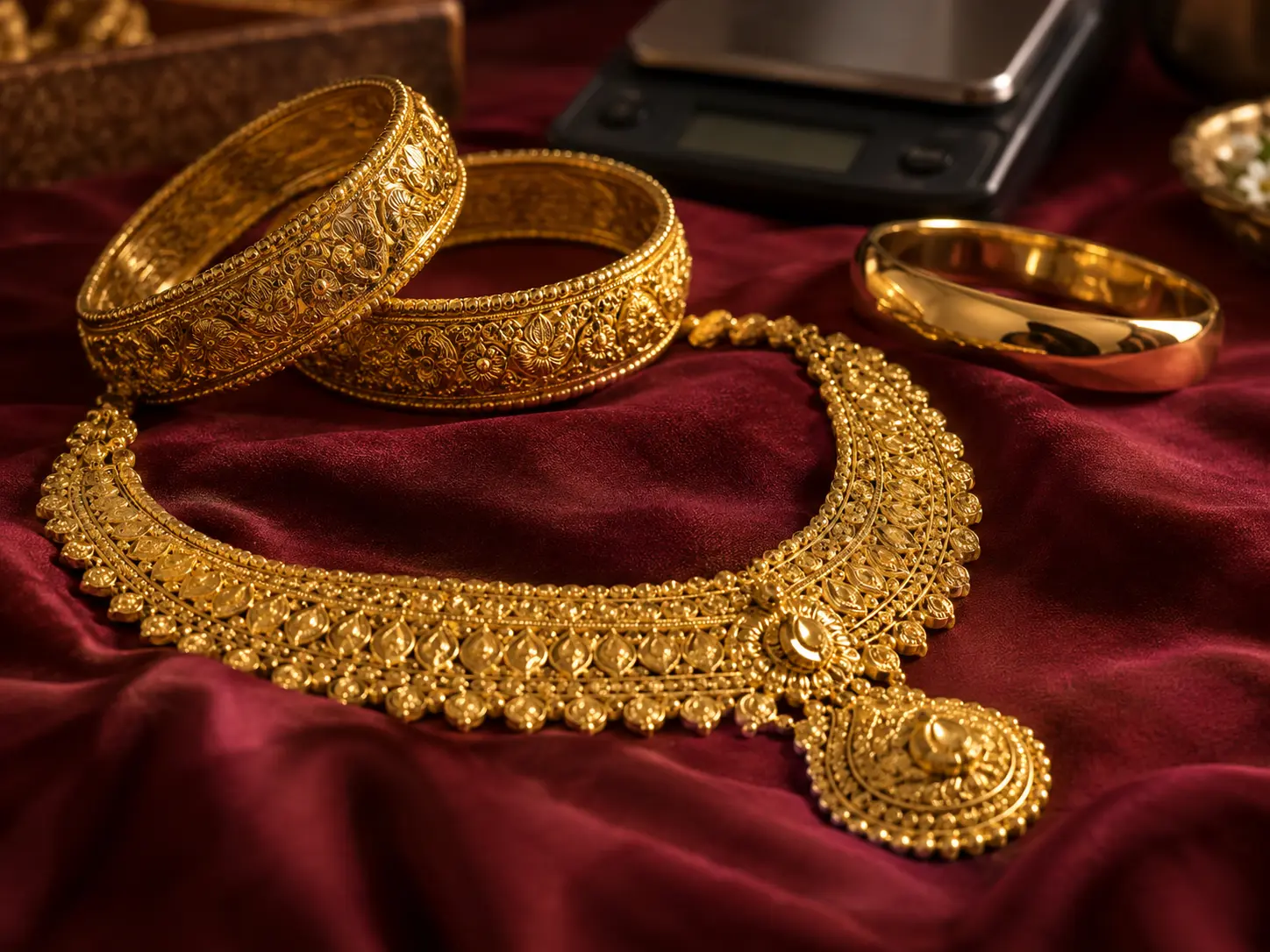
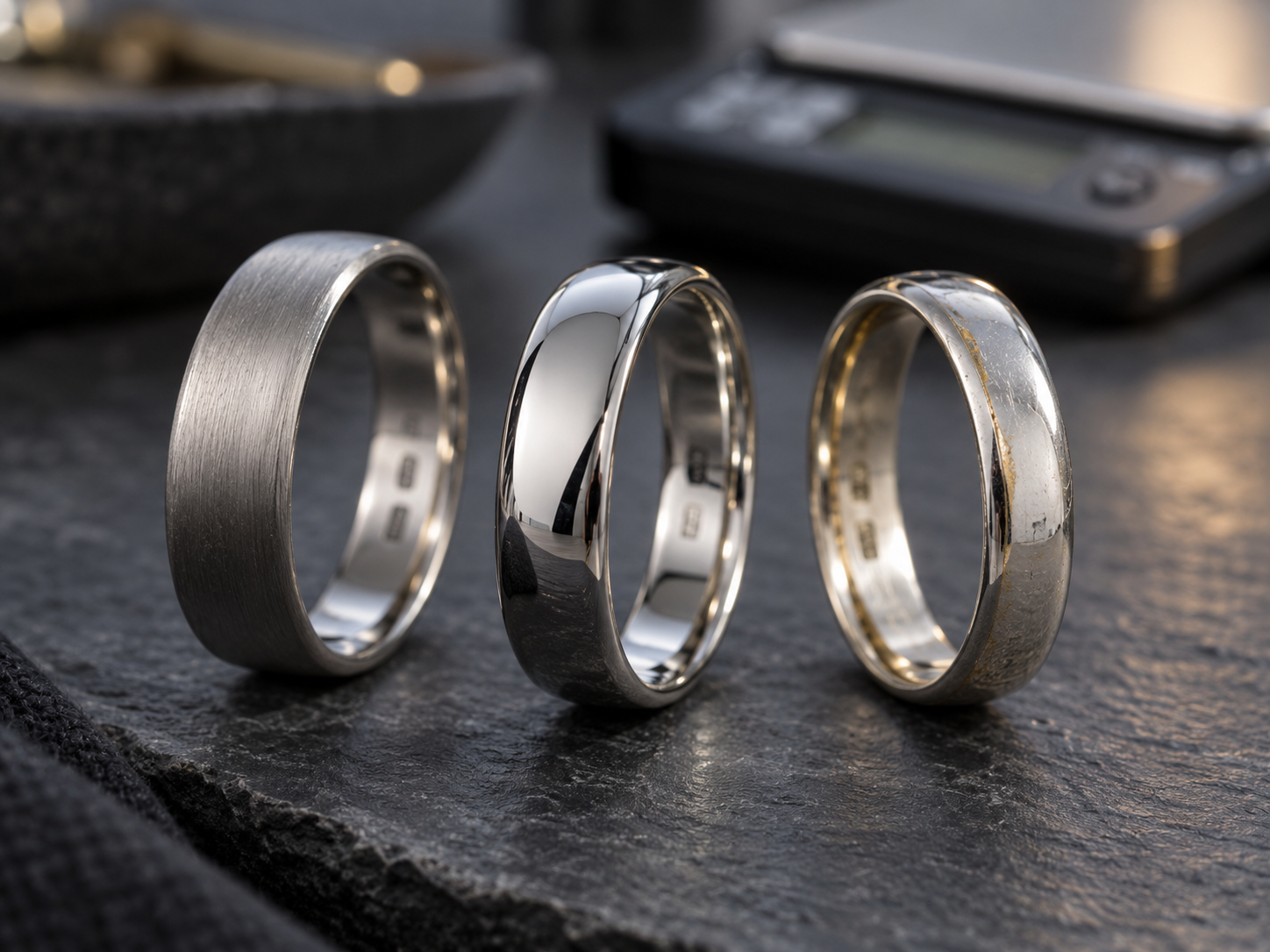
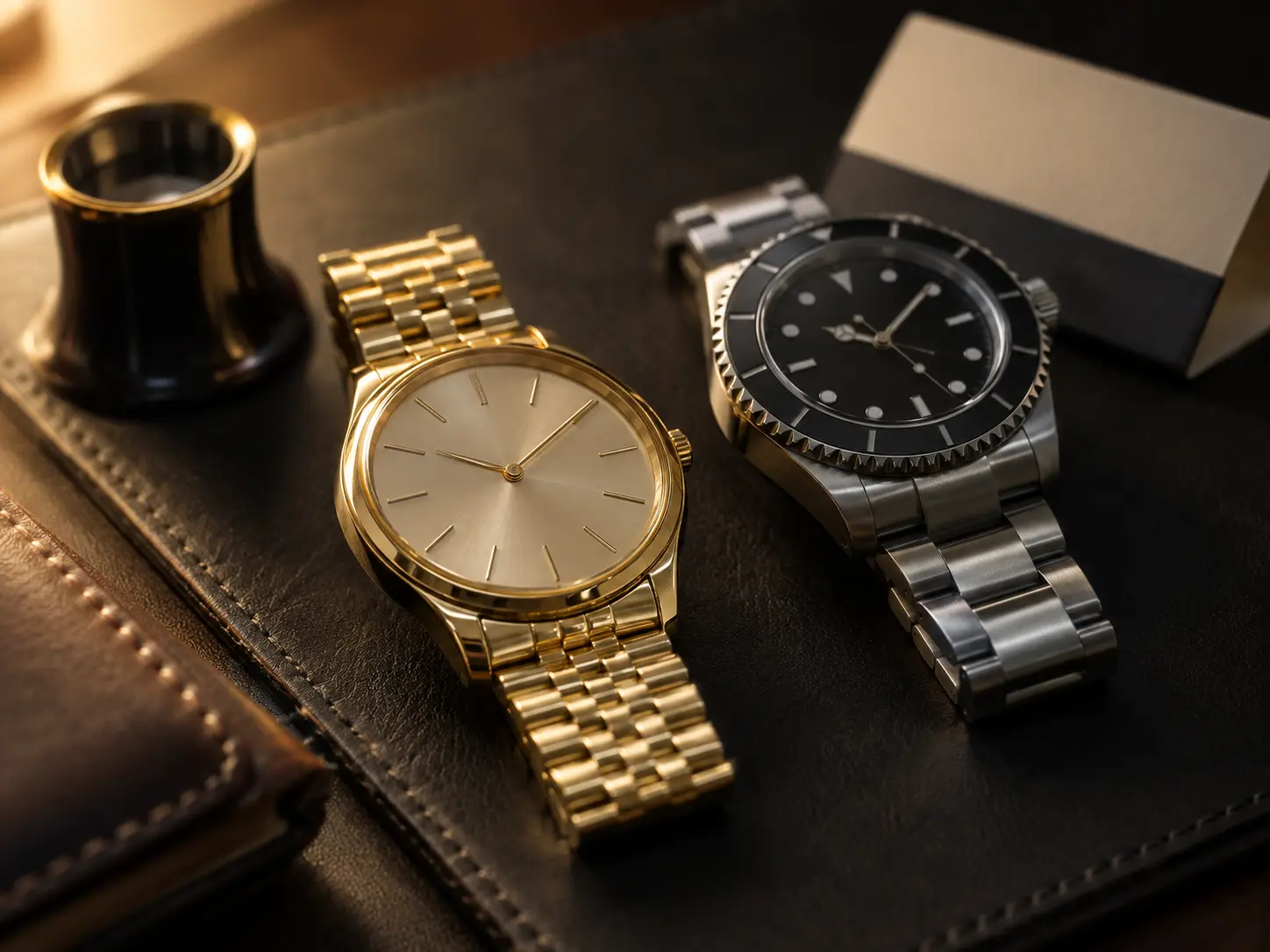
Look, after 15+ years of buying precious metals in the Bay Area, I can't tell you how many times someone walks into our shop with a mixed bag of items and asks, "What's going to get me the most money?" It's honestly one of the smartest questions you can ask , because not all gold is created equal when it comes to payout.
Here's the thing: with gold hovering around $4,200 per ounce right now (yeah, you read that right), understanding which category of items pays best could literally mean hundreds or even thousands of dollars difference in your pocket. And trust me, I've seen too many people leave money on the table because they didn't understand these distinctions.
The Current Gold Market Reality
Before we dive into the nitty-gritty, let's talk about where we are right now. Gold has been absolutely crushing it in 2025, and at today's prices, even your grandmother's broken chain might be worth more than you think. But here's what most people don't realize , the category your items fall into can dramatically affect what you'll actually receive.
I've been watching this market for over a decade and a half, and honestly? The gap between what different categories pay has never been more important to understand. When gold was $1,800 an ounce, maybe you could afford to be casual about these distinctions. At $4,200? Every decision matters.
Estate Gold: The Clear Winner
Let's start with the champion of payouts: estate gold. When I talk about estate gold, I'm referring to pieces that are typically older, often inherited, and usually crafted when quality standards were different (read: often higher).
Here's what makes estate gold so valuable: it's usually straightforward. You've got pieces that are clearly marked , 14K, 18K, sometimes even 22K , and they're often heavier than modern equivalents. After seeing thousands of estate pieces come through our doors, I can tell you they typically contain more actual gold content by weight than contemporary jewelry.
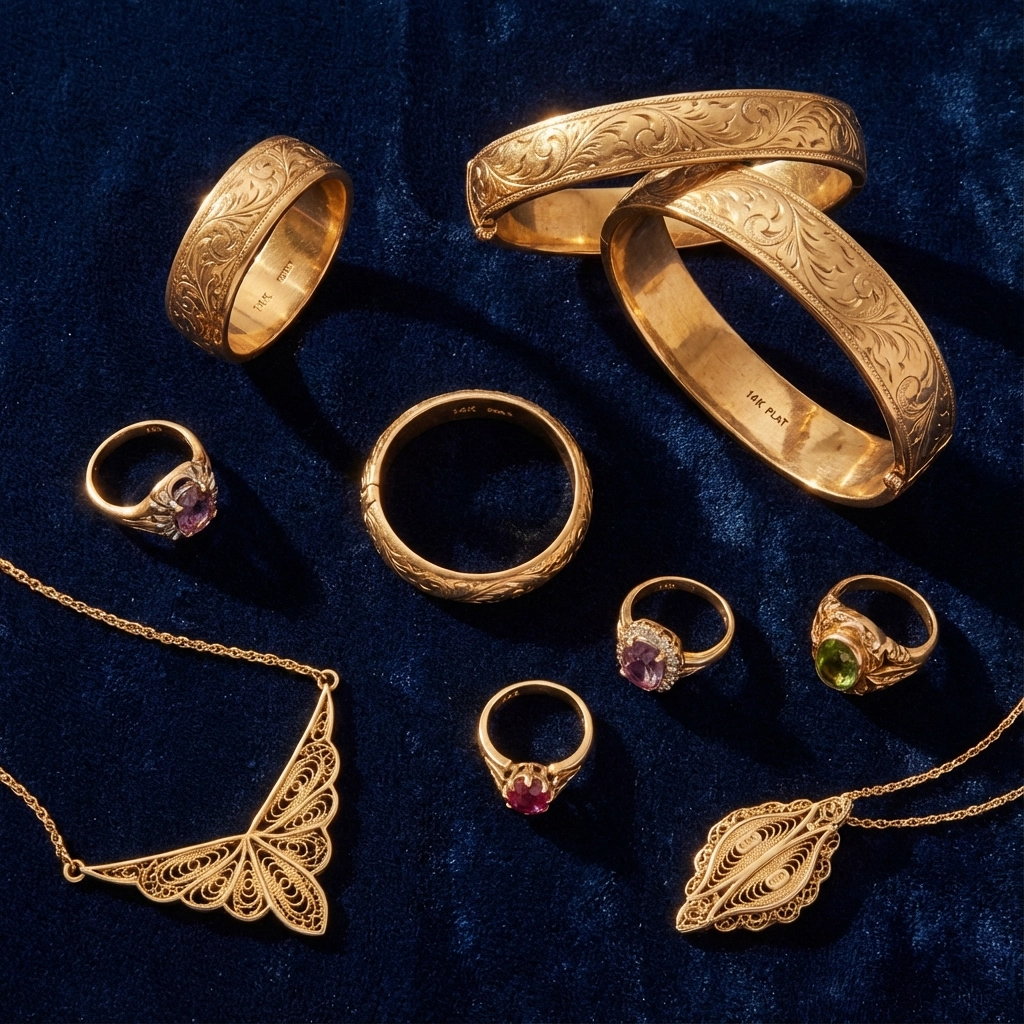
The payout? You're looking at 70-80% of spot value for the pure gold content. So if you've got a 10-gram 18K estate bracelet, you're working with about 7.5 grams of pure gold (18K is 75% pure). At today's prices, that's roughly $1,000 worth of gold content, and you'd expect to receive $700-800 from a reputable buyer.
But here's where estate gold really shines , authenticity is rarely questioned. Those old hallmarks? They're like a passport that says, "Yes, this is exactly what it claims to be." I've had customers bring in pieces from the 1940s and 50s that are so clearly marked and so obviously genuine that the entire transaction takes minutes.
Modern Jewelry: The Complicated Middle Child
Now, modern jewelry : that's where things get interesting, and not always in a good way. Look, I'm not trying to bash contemporary pieces, but when you're selling for scrap value, modern jewelry faces some serious challenges.
First off, you're fighting against the design premium you originally paid. That $2,000 designer necklace you bought last year? When you're selling it for gold content, you're only getting paid for the actual gold in it : not the brand name, not the "craftsmanship," just the metal.
Here's what I've observed after evaluating thousands of modern pieces: they often use less gold than you'd expect. Manufacturers have gotten incredibly clever at creating the appearance of substantial gold jewelry while using hollow construction, lightweight designs, and lower gold content. It's not dishonest : it's just efficient manufacturing.
The typical payout for modern jewelry? Usually 60-75% of the gold content value, and that's if you're dealing with solid pieces. Hollow chains, lightweight earrings, and fashion jewelry can drop that percentage significantly.
I had a customer last month bring in what looked like a substantial gold chain : thick, heavy-looking, clearly marked 14K. Turned out it was hollow, and what appeared to be a $600 chain was actually worth about $180. The disappointment on his face? That's something I never get used to seeing.
Scrap Metal: The Reality Check
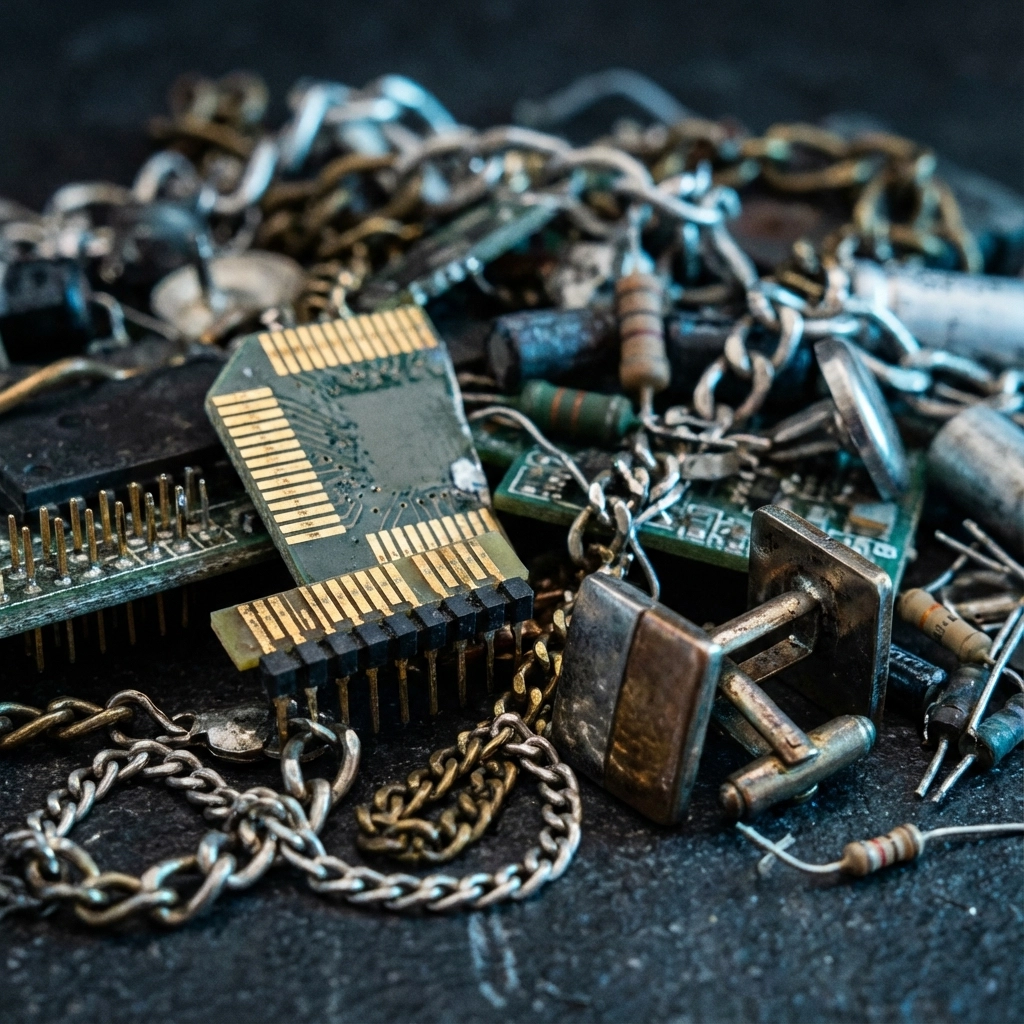
Let's just say it straight up : scrap metal is almost always your lowest-value option. When I talk about scrap metal in this context, I'm referring to broken pieces, items with minimal precious metal content, or mixed-metal pieces where gold or silver makes up a small percentage.
The math is brutal here. Non-precious scrap metal might get you a few dollars per pound. Even pieces with some gold content can be disappointing if the precious metal percentage is low. I've seen people bring in what they thought was a gold watch, only to discover it was gold-plated steel worth maybe $20 for the tiny amount of gold in the plating.
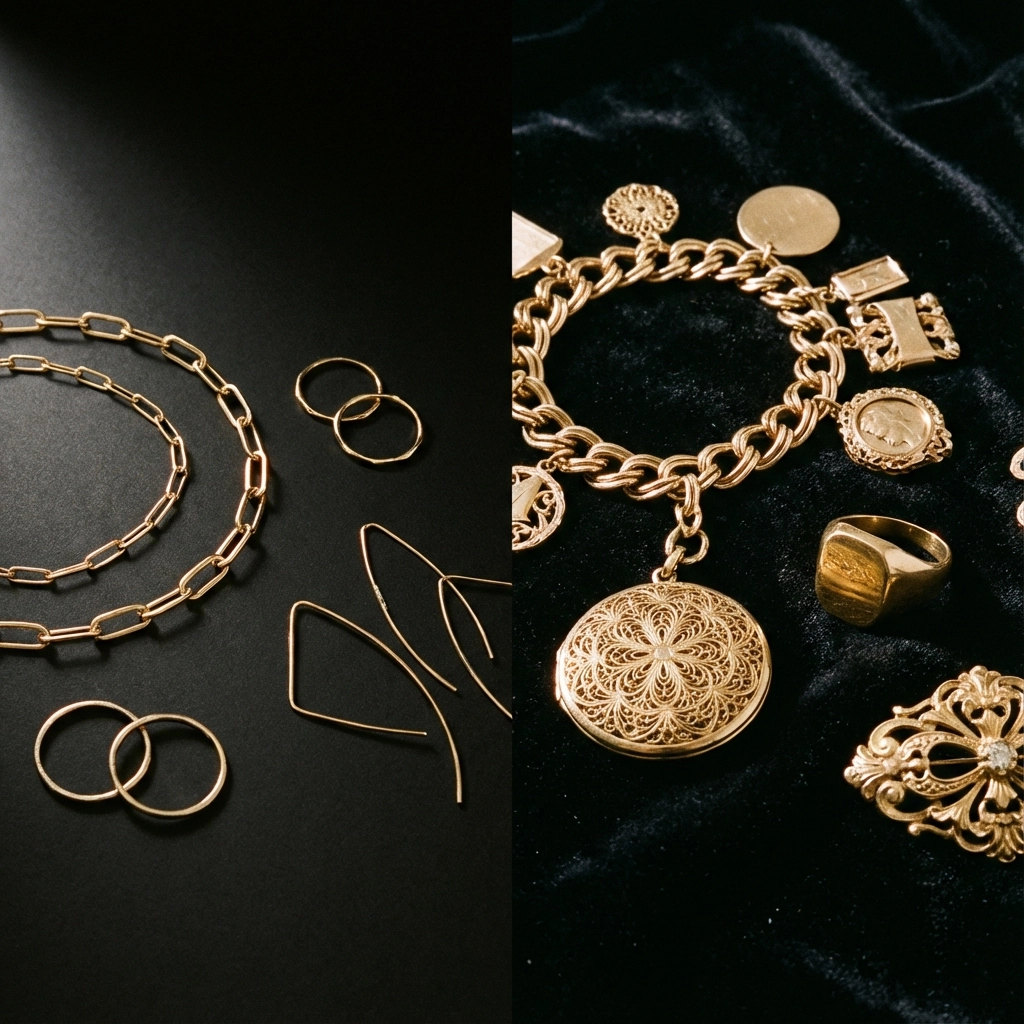
But here's where it gets tricky : some "scrap" isn't really scrap. Broken gold chains? Still estate gold if they're vintage, still modern jewelry if they're contemporary. The key is understanding what you actually have before you mentally categorize it as "scrap."
Honestly, the only time scrap metal becomes worthwhile is when you're dealing with industrial precious metal scrap : computer components with gold content, dental work, or electronic scrap with significant precious metal recovery potential. For typical consumers, scrap metal is usually the last resort option.
The Factors That Actually Matter
After 15+ years in this business, I've learned that certain factors can bump an item from one category to another in terms of value. Let me break down what actually affects your payout:
Hallmarks and Authentication: Clear, legitimate markings are gold (pun intended). Estate pieces typically have these in spades. Modern pieces should have them too, but I've seen plenty of contemporary jewelry with unclear or missing stamps.
Weight and Purity: This is basic math, but it's the foundation of everything. A heavy 18K piece will always outperform a lightweight 10K piece, regardless of category.
Condition and Completeness: Broken doesn't necessarily mean less valuable if we're talking about gold content, but complete sets or functioning pieces might have resale value beyond scrap pricing.
Market Timing: With gold at current levels, even items you might have dismissed as "scrap" could be worth evaluating. I've had customers surprised to learn their "junk drawer" contained several hundred dollars in recoverable gold.
Real-World Examples That'll Surprise You
Let me share a few recent transactions that perfectly illustrate these differences:
Last week, a customer brought in three items: a 1960s estate bracelet (22 grams, 18K), a modern department store chain (15 grams, 14K), and some mixed metal cufflinks. The estate bracelet? $1,200. The modern chain? $420. The cufflinks? $35.
Same week, different customer: inherited estate rings totaling 30 grams of mixed 14K and 18K gold. Payout: $1,800. Their own modern wedding set with similar total weight? Would have been around $1,100.
Here's what breaks my heart : I regularly see people who've already sold their estate pieces to pawn shops for a fraction of value, then bring me their modern jewelry expecting similar disappointment. Don't let category confusion cost you money.
Your Action Plan for Maximum Value
Here's exactly what you should do before selling anything:
First, separate your items by category. Estate pieces in one pile, modern jewelry in another, and anything you're unsure about in a third. Don't assume that old-looking means estate or new-looking means modern : I've seen 1980s pieces that look vintage and reproduction pieces that look antique.
Second, get multiple evaluations. Any reputable buyer should be able to quickly categorize your items and explain the reasoning behind their offers. If someone's trying to lump everything together at the same rate, walk away.
Third, understand that timing matters right now. With gold at these levels, even your lower-value items are worth more than they would have been just two years ago. But don't let high prices make you careless about choosing the right buyer.
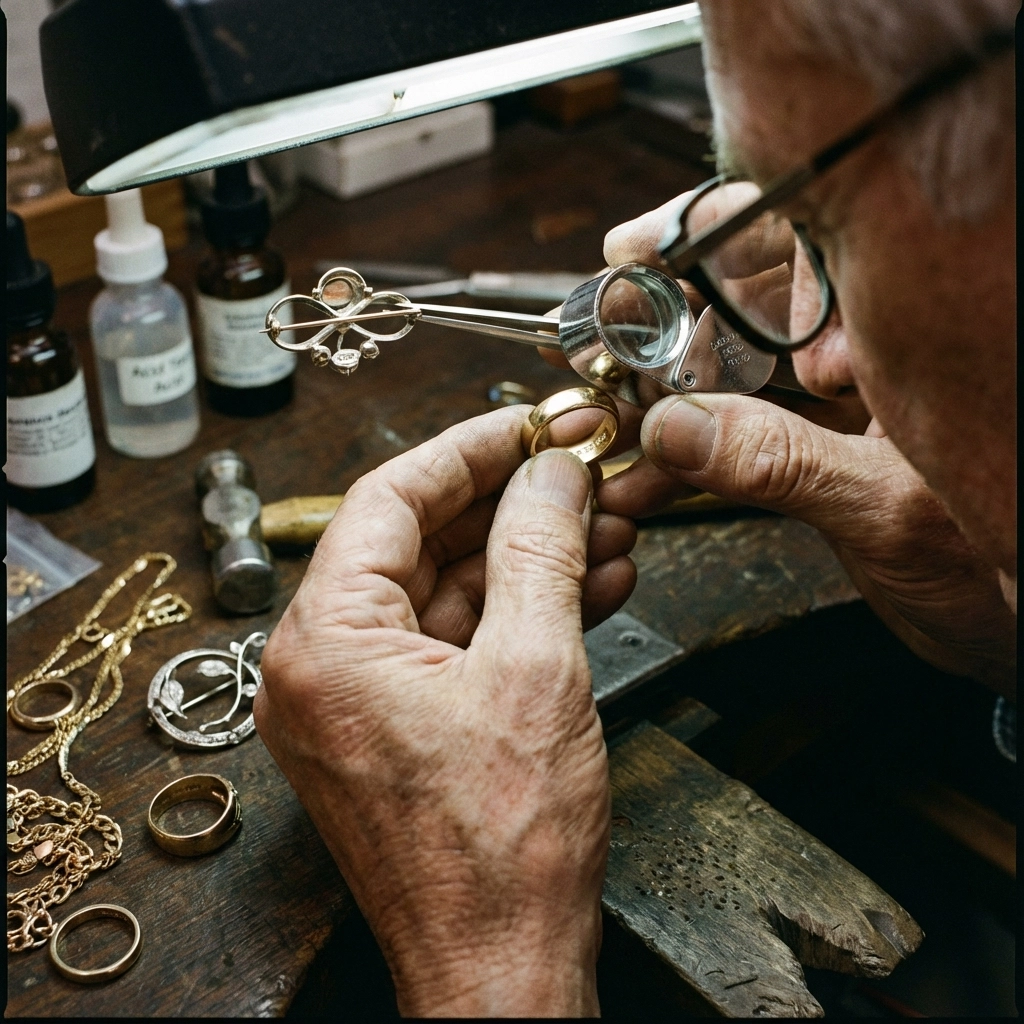
Look, whether you're dealing with estate gold, modern jewelry, or scrap metal, the key is understanding what you have before you sell it. Estate gold consistently pays the most, modern jewelry falls in the middle, and scrap metal brings up the rear : but within each category, there's still significant variation based on quality, weight, and purity.
After all these years in the business, I still learn something new regularly. But one thing never changes: informed sellers get better prices. Take the time to understand your items, get them properly evaluated, and you'll walk away knowing you got the best possible deal in today's market.
The bottom line? Don't let category confusion leave money on the table. At current gold prices, understanding these distinctions isn't just helpful ; it's potentially worth thousands of dollars to you.